
EarRelevant Staff | 26 AUG 2026
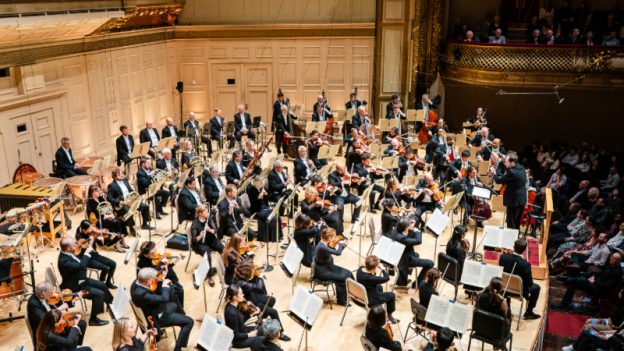
BOSTON, Massachusetts— The Boston Symphony Orchestra and its musicians have ratified a new three-year collective bargaining agreement, averting what would have been the first strike in the orchestra’s 145-year history.
The agreement, announced Tuesday, August 25, extends through August 26, 2029, and concludes weeks of increasingly tense negotiations between BSO management and the Boston Musicians’ Association, which represents the orchestra’s players. According to the union, musicians approved the agreement by a 94% vote.
The settlement came after musicians unanimously authorized a strike Saturday, two days before their previous contract was scheduled to expire. The parties subsequently agreed to extend the contract deadline by 48 hours while negotiations continued.
At the center of the negotiations was not only compensation and benefits but also the musicians’ role in the artistic direction of the institution. The agreement gives players a substantially expanded role in artistic planning, including the engagement of guest artists and conductors and the development of repertoire.
It also establishes a more collaborative process for selecting the orchestra’s next music director, a particularly significant provision following the BSO board’s decision in March not to renew the contract of Andris Nelsons.
The contract provides wage increases and enhanced pension benefits. According to details reported following the agreement, musicians will receive annual raises of 4% in the first two years and 4.5% in the third year, with the guaranteed base salary rising to $230,000 by the final year of the agreement. The guaranteed pension benefit will rise to $94,000.
The agreement does not, however, transfer ultimate artistic authority from the BSO’s management and board to the musicians. Instead, it establishes formal mechanisms for greater consultation and collaboration.
Among them is an Artistic Liaison Committee that will meet regularly with musicians and solicit recommendations for guest conductors and artists. Management has committed to giving priority to names recommended through that process.
The contract also gives musicians an expanded role in the search for Nelsons’ successor. The search committee will have 12 members, including six orchestra musicians. A candidate recommended to the board must receive support from a majority of the committee as well as a two-thirds majority of the musicians serving on it. The board has retained authority over the final appointment but is limited to candidates qualified through the search process.
The labor negotiations unfolded against a broader institutional dispute that began with the BSO’s March announcement that Nelsons would leave after the 2027 Tanglewood season. Nelsons, who became the orchestra’s music director in 2014 after first appearing with the BSO as a guest conductor in 2011, is completing his 13th season in the position.
The board said Nelsons and the organization were no longer aligned on their future artistic vision. The decision surprised musicians, many of whom publicly expressed support for the conductor and criticized the way the change was handled.
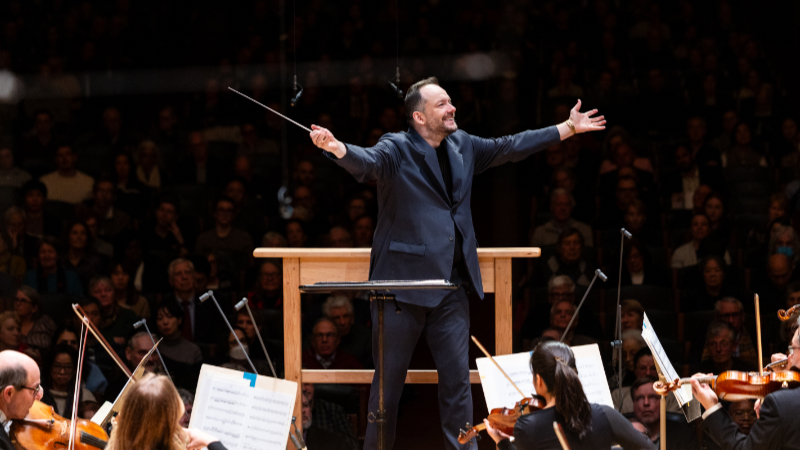
Music director Andris Nelsons conducts the Boston Symphony Orchestra, January 22, 2026. (credit: Robert Torres)
Financial pressures have also figured prominently in the BSO’s discussion of its future. The organization has reported declining attendance for classical concerts over the past two decades, persistent operating challenges and substantial needs for capital investment at Symphony Hall and Tanglewood. BSO leadership has argued that changes are necessary to broaden the orchestra’s audience and strengthen its long-term financial position.
The extent and interpretation of those financial challenges have themselves become subjects of debate, but they have provided the institutional backdrop for the board’s decision regarding Nelsons and for management’s broader efforts to change the organization.
The contract settlement does not resolve that larger dispute. The BSO Patron Action Network, which has campaigned in support of Nelsons and the musicians, said Tuesday that the agreement was an important first step but maintained that questions surrounding Nelsons’ departure and the organization’s future direction remain unresolved.
For the BSO, the immediate labor crisis is nevertheless over. The orchestra is scheduled to begin its 2026-27 Boston season September 17, with Nelsons conducting a gala performance featuring cellist Yo-Yo Ma.
The new agreement now places the BSO in a different phase of its leadership transition. With Nelsons scheduled to depart after the 2027 Tanglewood season, the orchestra will undertake a search for a new music director under a process that gives its musicians a considerably greater formal voice than they have had previously.
No successor has been announced, and the search is expected to unfold as the BSO navigates both its artistic transition and continuing questions about its financial and institutional future. ■
EXTERNAL LINKS:
- Boston Symphony Orchestra: bso.org
- Andris Nelsons: andrisnelsons.com
- Boston Musicians’ Association, Local 9-535: bostonmusicians.org
- BSO Patron Action Network: standwithandris.org

Read more by EarRelevant Staff.





.png)